
Can Family Override Advance Directive? (Explained)

Most people don’t think about advance directives until something scary happens. A hospital room, a tough diagnosis, or a sudden emergency has a way of making this question feel very real, very fast.

Then it comes up almost immediately: if you’ve already put your wishes in writing, can your family step in and change things?

It’s an uncomfortable topic, but a really important one. 

Families mean well, emotions run high, and medical decisions don’t always fit neatly into black-and-white rules. 

In this post, we’ll explain if family can override advance directives, when family opinions carry weight, and how to make sure your choices stay front and center when it matters most.

Can Family Members Override An Advance Directive?

No, family members can’t override an advance directive in most cases.

A properly completed advance directive carries legal weight. Doctors and hospitals are expected to follow it, even if family members disagree or feel uncomfortable with the choices. 

That’s exactly why people create these documents in the first place – to avoid last-minute guesswork and family conflict.

In practice, medical teams look at the advance directive first. 

If it’s clear, current, and applies to the situation, it usually guides care. Family members don’t get to simply vote it away because they don’t like what it says.

That said, family involvement doesn’t disappear completely. Doctors still talk with loved ones, explain what’s happening, and try to keep everyone on the same page. 

Problems usually start only when the document leaves room for interpretation or raises questions.
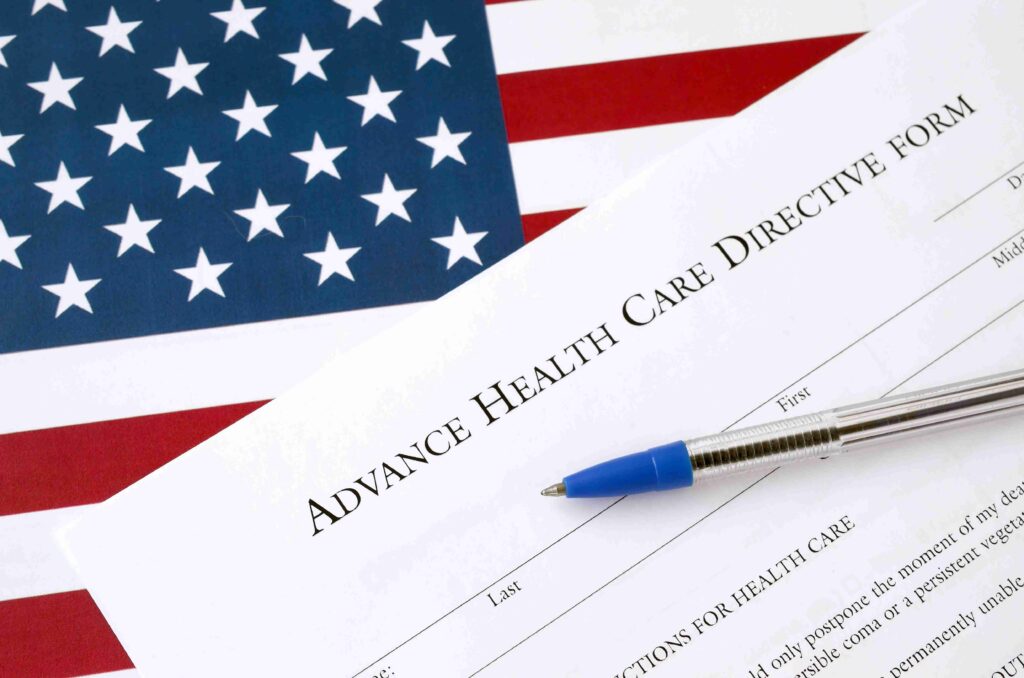
can family change advance directive

Also Read: Can Power Of Attorney Change Life Estate?

Situations Where Family Influence Can Matter

Family members can’t just overrule an advance directive on a whim, but there are situations where their input starts to carry more weight. These moments usually happen when something about the document or the situation isn’t crystal clear.

Here are the main scenarios where this could happen:

#1 Vague Or Outdated Language In The Document

This is one of the biggest trouble spots.

If an advance directive says things like “no extraordinary measures” or “no life support,” doctors may pause and ask questions. 

Medicine has evolved fast, and what counted as “extraordinary” ten or twenty years ago might be fairly routine today.

When language is broad or outdated, healthcare providers often turn to family members for guidance. Not because family gets final authority, but because they’re trying to interpret intent. 

That’s where disagreements can start, especially if different relatives remember conversations differently.

#2 Medical Scenarios Not Clearly Addressed

No document can cover every possible medical scenario. Some situations fall into gray areas that weren’t anticipated when the advance directive was written.

For example, the directive might address long-term life support but say nothing about short-term interventions with a strong chance of recovery. 

In moments like that, doctors lean on family input to help decide what best aligns with the person’s values.

This doesn’t mean family is overriding the directive. It means they’re helping fill in the blanks.

Also Read: Do Both Co-Executors Need To Sign?

#3 Conflicting Statements Made After Signing

Imagine you signed your directive in 2020, but in 2024, you told your sister over Thanksgiving dinner that you’d actually want everything done if there was even a 1% chance of recovery. 

If you’re now in the hospital and your sister tells the doctors about that conversation, they have a major dilemma.

If a patient signed a directive years ago but later made repeated verbal statements that contradict it, doctors may take that seriously. Especially if multiple people heard those statements and can clearly describe them.

Medical teams don’t want to ignore a valid document, but they also don’t want to ignore clear evidence that the person’s wishes evolved over time.

#4 Problems With Signatures, Witnesses, Or State Rules

Sometimes the issue has nothing to do with family drama and everything to do with paperwork.

Advance directives must follow state-specific rules. Missing signatures, incorrect witnesses, or improper notarization can weaken the document. 

If a directive doesn’t meet legal standards, doctors may rely more heavily on family members or default decision-making laws.

This is one of those boring details that ends up being incredibly important later.

#5 Emergency Gray Areas

In a fast-moving emergency, ER docs don’t always have time to sit down and read a twelve-page legal document. 

They are trained to save lives first and ask questions later. 

If your family is there and they are pleading with the doctors to “do everything,” the doctors are likely going to listen to the living people in front of them. 

What Happens When Family Disputes An Advance Directive

By the time someone finds the paperwork and proves what you wanted, the “override” has already effectively happened through immediate medical intervention.

Also Read: How Much Does A Medical Power Of Attorney Cost?

#6 The Named Healthcare Agent Steps In

If you’ve named a healthcare proxy or power of attorney, you’ve literally given someone the power to speak for you. 

Ideally, they follow your directive to the letter. 

However, most directives give the agent some level of “discretion.” 

This means if they believe a new treatment or a specific circumstance warrants a change from the written plan, they can make that call. 

They are your legal voice, and if they decide to pivot, the hospital will follow their lead, even if it feels like a departure from what you wrote down.

What Happens When Family Disputes An Advance Directive?

When a family fight breaks out in a hospital hallway, it’s honestly heartbreaking for everyone involved. 

If one sibling wants to follow the directive and another wants to keep fighting, the hospital’s ethics committee usually gets called in. These are groups of doctors, social workers, and sometimes chaplains who try to mediate.

As long as there is a dispute, doctors will usually keep providing life-sustaining care because you can’t “undo” death, but you can always stop treatment later once the dispute is settled.

Court involvement is rare, but it can happen if the conflict is intense and unresolved. During disputes, care decisions may be delayed, which is stressful for everyone involved.

This is exactly the situation advance directives are meant to prevent, yet it still happens when communication breaks down.

How To Make Sure Your Advance Directive Is Followed

If you want to make sure your wishes are ironclad, you can’t just “set it and forget it.” You need to be proactive to ensure no one feels the need (or has the opportunity) to override you.

A strong advance directive usually has a few things going for it:

  • Clear, specific language that reflects modern medical realities
  • Regular updates after major life or health changes
  • A trusted healthcare agent who understands your values
  • Honest conversations with family ahead of time

Talking things through may feel awkward, but it saves loved ones from guessing later. It also makes doctors far more confident in following the document as written.

Bottom Line

Family members usually can’t override a valid advance directive just because they disagree with it. The document exists to protect your wishes, even during emotionally charged moments.

Still, unclear language, outdated instructions, emergencies, and paperwork problems can open the door to family influence. 

Most disputes don’t come from bad intentions. They come from confusion, stress, and lack of communication.

A clear advance directive, paired with real conversations, goes a long way toward making sure your voice is heard exactly how you intended – even when you can’t be the one speaking.

Understanding the Power of Beneficiary Designations

Imagine with us, if you will, having the power to control the distribution of your hard-earned assets after your lifetime without the complexities of a will. That’s the influence we wield when we understand and correctly use beneficiary designations. They’re a crucial, yet often overlooked part of estate planning that can ensure our loved ones are taken care of in our absence. We’ll explore the types of assets that can have beneficiary designations, how to designate beneficiaries, and common mistakes to avoid. But it’s not just about assigning names; it’s about understanding the potential consequences and benefits of each decision. So let’s begin this journey of empowerment and peace of mind, shall we?

Key Takeaways

  • Beneficiary designations allow individuals to specify who will receive their assets after their death, providing control and certainty over asset distribution.
  • By bypassing the probate process, beneficiary designations can help assets avoid lengthy and costly legal proceedings.
  • Properly designating beneficiaries can reduce the tax burden on estates, ensuring that more of the assets go to the intended recipients.
  • It is important to regularly review and update beneficiary designations, taking into account any changes in personal circumstances or significant life events to avoid unintended consequences.

Definition of Beneficiary Designations

In our journey to understand estate planning, it’s crucial we tackle the concept of beneficiary designations, which play a key role in how our hard-earned assets are distributed after our passing. A beneficiary designation is a legal directive we make in a will or other legal document that specifies who should receive our assets upon our demise.

This process isn’t as easy as naming a person or organization. It involves understanding the legal implications that come with each decision we make. If we don’t choose wisely, it could lead to beneficiary disputes, which are often time-consuming, emotionally draining, and costly. So, it’s essential we consider all our options and implications before making these designations.

The goal here is to ensure our wealth goes to the people or causes we care about the most, without creating unnecessary stress or strife among our loved ones. As we continue on this journey of estate planning, remember that the more informed we are about beneficiary designations, the smoother the process will be. It’s about leaving a legacy, not a lawsuit. Let’s continue to explore this together, to make sure our final wishes are honored exactly as we intend.

Importance of Beneficiary Designations

Having explored the definition of beneficiary designations, we now understand their legal aspects and potential implications; now, let’s grasp why they’re so crucial in estate planning.

  1. Bypass Probate: Beneficiary designations allow assets to be transferred directly to the beneficiary, bypassing the probate process. This not only speeds up the distribution but also saves on probate costs.
  2. Tax Implications: Proper beneficiary designations can help reduce the tax burden on estates. For instance, designating a spouse as a beneficiary often results in no taxes due at the time of transfer.
  3. Legal Ramifications: With incorrect or no beneficiary designations, assets could end up in the hands of unintended individuals or entities. It’s essential to regularly review and update these designations.
  4. Control and Certainty: Beneficiary designations offer a level of control over who receives your assets after your death. It provides certainty that your wishes will be honored.

Beneficiary designations are powerful tools in estate planning. They’re not just a legal requirement but a compassionate way to ensure your loved ones are cared for after your passing. We can’t underestimate their importance.

Assets Subject to Beneficiary Designations

While it’s easy to recognize the importance of beneficiary designations, we must also understand the wide range of assets that can be subject to these designations. These can include financial accounts such as IRAs, 401(k)s, and life insurance policies. Each of these have their own tax implications, which can affect the net value of the inheritance.

But that’s not all. Other assets, like real estate properties and vehicles, can also carry beneficiary designations. It’s not just about ensuring your loved ones receive what you’ve left for them, but also about asset protection. By designating beneficiaries, you’re safeguarding these assets from probate, a process that can be lengthy and costly.

We’re here to help you navigate these complexities. Estate planning can feel overwhelming, but understanding beneficiary designations is a powerful tool in your arsenal. Not all assets are subject to beneficiary designations, yet for those that are, these designations provide a direct, clear path for asset transfer after your passing. It’s a way to ensure your legacy is honored according to your wishes. So, let’s continue to explore this together, understanding every facet to secure the best possible future for your loved ones.

How to Designate Beneficiaries

Let’s dig into the process of designating beneficiaries, a crucial step that requires thoughtful consideration and careful planning. We understand this may seem like a huge task, but we’re here to guide you through to the end.

Here’s a simple step-by-step guide:

  1. Identify your beneficiaries: Think about who you’d want to receive your assets. This could be family, friends, or even a charity.
  2. Consider the tax implications: Depending on your beneficiary’s situation, they might have to pay taxes on the assets they receive. It’s wise to consult with a financial advisor or tax professional.
  3. Understand the liability considerations: Assets passed on can sometimes come with debts or other liabilities. You’ll want to consider how this might impact your beneficiary.
  4. Formally designate your beneficiaries: This usually involves filling out paperwork provided by your bank, insurance company, or employer.

Common Beneficiary Designation Mistakes

Navigating the process of designating beneficiaries, we must be aware of common mistakes that can unintentionally complicate matters. One of the most frequent errors is not updating beneficiary designations after major life events like marriage, divorce, or the birth of a child. This oversight can lead to unwanted inheritance disputes among family members and loved ones.

Another common mistake is not providing enough information to locate beneficiaries. Missing beneficiaries can delay the distribution of assets and may even result in these assets being absorbed by the state. It’s vital to provide as much detail as possible to avoid such problems.

Neglecting to designate contingent beneficiaries is another pitfall. If your primary beneficiary predeceases you or is unable to claim the assets, having a secondary or ‘contingent’ beneficiary ensures your assets end up in the right hands.

Lastly, we often see people mistakenly thinking that their will overrides beneficiary designations. It doesn’t. Therefore, it’s crucial to ensure that your beneficiary designations and your will are aligned.

We understand these processes can feel complex and overwhelming, but by avoiding these common mistakes, you can ensure your intentions are carried out smoothly.

Reviewing and Updating Beneficiary Designations

To avoid the pitfalls we’ve just discussed, it’s crucial we regularly review and update our beneficiary designations to reflect our current wishes and life circumstances. Having outdated designations can lead to unintended legal implications and tax considerations.

Here’s a 4-step guide to help you through the review process:

  1. Revisit Your Designations Annually: We’d recommend doing this every year, or whenever a significant life event occurs such as marriage, divorce, the birth of a child, or the death of a beneficiary.
  2. Consider Legal Implications: Ensure you understand the legal consequences of your choices. Who inherits your assets can have legal repercussions, so it’s wise to consult with a legal advisor.
  3. Understand Tax Considerations: Depending on who you designate, there can be different tax implications. For example, spouses often have tax benefits not available to other beneficiaries.
  4. Use Professionals: Don’t hesitate to ask for help. Financial advisors, attorneys, and accountants can provide valuable insights into the complexities of beneficiary designations.

Essential End-of-Life Decisions: A Must-Read Guide

Essential End-of-Life Decisions: A Must-Read Guide

Welcome to our must-read guide on essential end-of-life decisions.

In this post, we will explore the importance of healthcare directives, end-of-life planning, and communicating your wishes to loved ones.

We’ll also discuss writing a living will, choosing a healthcare proxy, and the significance of reviewing and updating your directives.

With our authoritative yet empathetic approach, we aim to provide you with the necessary information to make informed decisions during this crucial time in life.

Key Takeaways

  • Healthcare directives allow individuals to outline their medical treatment preferences.
  • Active participation in end-of-life planning ensures wishes are honored.
  • Living wills clearly state end-of-life wishes.
  • Openly and honestly discuss end-of-life wishes with loved ones.

Understanding Healthcare Directives

We need to understand healthcare directives to make informed decisions about our end-of-life care.

Advance directives are legal documents that allow us to outline our preferences for medical treatment in the event that we’re unable to communicate our wishes. These directives provide guidance to healthcare professionals and ensure that our choices are respected.

It’s essential to be aware of the legal requirements surrounding advance directives, as they vary by jurisdiction. By understanding these requirements, we can ensure that our directives are valid and enforceable.

It’s important to consult with legal professionals or utilize resources provided by local authorities to ensure compliance with the appropriate laws. By familiarizing ourselves with healthcare directives and their legal requirements, we can have peace of mind knowing that our end-of-life care will align with our wishes.

Importance of End-of-Life Planning

By actively participating in end-of-life planning, we can ensure that our wishes are honored and our loved ones are not burdened with difficult decisions. Advance directives and legal considerations play a crucial role in this process. Advance directives are legal documents that outline our preferences for medical treatment in the event that we are unable to communicate our wishes. These documents can include living wills, healthcare proxies, and do-not-resuscitate orders. It is important to consult with an attorney to ensure that these documents are legally binding and properly executed. Additionally, legal considerations such as estate planning and power of attorney designation should be addressed to ensure that our financial and legal affairs are in order. Taking the time to engage in end-of-life planning can provide peace of mind and relieve the emotional and financial burden on our loved ones.

Writing Your Living Will

Creating a comprehensive living will ensures that our end-of-life wishes are clearly stated and legally binding. It’s an essential part of advance directives, empowering us to make decisions about our medical treatment when we’re unable to communicate them ourselves.

When writing our living will, it’s important to consider the following:

  • Specify the medical treatments we’d like to receive or refuse, such as resuscitation, ventilator support, or artificial nutrition.
  • Clearly state our preferences regarding pain management and comfort care.
  • Designate a healthcare proxy, someone we trust to make medical decisions on our behalf.

Choosing a Healthcare Proxy

One important step in our end-of-life planning is to designate a healthcare proxy and a backup proxy to ensure our medical decisions are made in accordance with our wishes.

An advance care directive is a legal document that allows us to appoint someone to make healthcare decisions on our behalf if we’re unable to do so. This person, known as a healthcare proxy or healthcare agent, becomes our voice when we can’t speak for ourselves.

When choosing a healthcare proxy, it’s crucial to select someone who understands our values, beliefs, and preferences. It’s also important to discuss our end-of-life wishes with our healthcare proxy and ensure they’re comfortable making difficult decisions on our behalf.

Communicating Your Wishes to Loved Ones

We should openly and honestly discuss our end-of-life wishes with our loved ones. This conversation can be difficult, but it’s crucial for ensuring that our wishes are respected and that our loved ones are prepared for the future.

When communicating our wishes, it’s important to consider the grieving process that our loved ones will go through. Providing them with clear guidance and reassurance can help alleviate some of the stress and uncertainty they may experience.

Additionally, it’s essential to address any legal considerations, such as creating a living will or designating a power of attorney.

Reviewing and Updating Your End-of-Life Directives

To ensure that our end-of-life directives accurately reflect our current wishes, we should regularly review and update them. Updating advance directives is crucial because our preferences may change over time, and it’s essential that our loved ones and healthcare providers are aware of our current desires. By reviewing and updating our directives, we can ensure that our wishes regarding medical treatments, life-sustaining measures, and organ donation are up to date.

When it comes to legal considerations, it’s important to consult an attorney or legal professional who specializes in estate planning and end-of-life documents. They can guide us through the process of updating our advance directives and ensure that they comply with applicable laws and regulations. It’s also important to communicate any changes to our loved ones, healthcare providers, and designated decision-makers to ensure that everyone is aware of our current wishes.

Regularly reviewing and updating our end-of-life directives gives us peace of mind, knowing that our wishes will be honored in the event that we’re unable to express them ourselves. It’s a responsible and proactive step to take, and it ensures that our end-of-life decisions align with our current values and beliefs.

What is an Advance Medical Directive?

Including an Advance Medical Directive in your estate plan will ensure your loved ones enforce the medical care you do and do not want.

Do your loved ones know what life-prolonging care you do or do not want in the event you are incapacitated and unable to communicate your wishes on your own? 

An estate plan carefully outlines your final wishes and covers a variety of other personal matters. Among the things typically included in an estate plan are deciding who inherits your assets, deciding who will care for your minor children or any pets, and your preferences for end-of-life care. An Advance Directive takes care of the latter. 

What exactly is an Advance Medical Directive? Why is an Advance Directive important? Here is everything you need to know about Advance Medical Directives and how to include yours in your estate plan. 

How do Advanced Medical Directives work? 

An advance directive is a document that outlines your wishes regarding medical care in writing. Many erroneously assume their loved ones know and will enforce their wishes, and while you can certainly express your wishes orally, without an Advance Directive in place, there may be more confusion than clarity. 

In short, an Advance Medical Directive is a way to consent or refuse medical interventions in specific clinical situations and is longstanding even in the event you experience severe or irreparable cognitive impairment. 

In other words, this critical document outlines your medical preferences in the event you are not able to communicate them on your own. 

The Two Types of Advance Medical Directives in Virginia

In Virginia, there are two types of advance directives. These include:

Appointment of an Agent

You may appoint another person, such as a spouse, child, or friend, to be your “agent” or “proxy” to make decisions for you if you become incapacitated or are unable to provide informed consent for health care decisions independently. You can also specifically tell your agent what kinds of care you do and do not want. This is also called a medical Power of Attorney (POA) or “Power of Attorney for Health.” 

Living will

You may also state which life-prolonging treatment(s) you want or do not want (such as a DNR or Do-Not-Resuscitate) if you are diagnosed as having a terminal condition and are unable to express your own wishes. This is called a living will

Benefits of Including an Advance Medical Directive in Your Estate Plan

An estate plan is an all-encompassing compilation of your final wishes. Including an Advance Medical Directive in your estate plan can lighten the load on your children or other loved ones who are caring for you or coordinating funeral arrangements. Since it will already be a stressful and trying time for those who love you most, being proactive in your designations for end-of-life care can make things easier on everyone, including you. The benefits of including an advance medical directive are:

  • Documenting your preferences for end-of-life or life-prolonging care can circumvent awkward or uncomfortable conversations with family members who are caring for you. 
  • Remove any guesswork or undue burdens on your loved ones when deciding what healthcare measures to take should you become incapacitated or terminal.
  • Create clarity and understanding about your final wishes so everyone in your family and healthcare professionals are all on the same page about your care.
  • Ensure your final wishes for end-of-life care are carried out.

Do I need an advanced medical directive if I am young and healthy?

Not to be the bearer of bad news, but it isn’t only the elderly who experience death. Since you never know what tomorrow may bring, it’s important to consider that you might need someone to make medical decisions for you in the event you suffer a serious injury or develop a terminal illness. Thus, having an advance medical directive in place along with verbally sharing your wishes with the person you appoint can keep your stress at bay if you are prone to consider the “what-ifs” in these situations.

Can I appoint more than one person as my medical power of attorney? 

Can you? Yes. Should you? No. While you can certainly communicate your wishes to all of your children, for example, appointing more than one person on your medical directive can cause conflict, and confusion, and make these important decisions harder for everyone involved. And don’t worry—your agent or proxy can only make these decisions for you should another doctor or licensed clinical psychologist determine you are unable to make decisions for yourself. And if you are only temporarily unable to decide for yourself, the authority returns to you when you regain capacity.

Mobile Estate Planning Made Easy

The process of getting a legitimate will in place for you and your family can be overwhelming, confusing, and costly, but it doesn’t have to be! At Assurest, we offer simple, affordable solutions for your legal needs and make the process easy by coming to you for the conversation—meeting you in your home or, if you prefer, virtually or over the phone.

Serving the Greater Richmond area and beyond, our experienced and trustworthy professionals simplify the process using clear, understandable language free of legal jargon and provide flat-rate packages, so you’re never surprised by the bill. Contact us today and rest assured that your affairs are in order and your loved ones are protected.

Disclaimer: This material is intended for general information purposes only and does not constitute legal advice.  Responses to inquiries, whether by email, telephone, or other means, do not constitute legal advice, nor do they create or imply the existence of an attorney-client relationship.